
Comprehensive Skin Care for Natural Aesthetic Results
Updated: 5 days ago
Table of Contents
What Comprehensive Skin Care Actually Means
Natural Looking Cosmetic Skin Treatments: Beyond Surface-Level Fixes
Benefits of Medically Supervised Skin Care
Integrating Health Concerns with Aesthetic Goals
How to Choose a Cosmetic Doctor for Your Skin Needs
What to Expect from Your First Comprehensive Consultation
Maintaining Your Results: A Long-Term Approach
Frequently Asked Questions
Last Updated: September 4, 2026
What Comprehensive Skin Care Actually Means
Comprehensive skin care is a coordinated approach that treats your skin as part of your whole body, not as an isolated surface to be cosmetically altered. It connects how your skin looks with how your body functions, addressing underlying health concerns alongside aesthetic goals. True comprehensive care for skin and body health for natural aesthetic results requires medical oversight, not just cosmetic application.
Most people discover this distinction after years of treating symptoms in isolation. A complexion concern like persistent pigmentation rarely exists alone; it often links to sun exposure history, hormonal shifts, or medication use. At Medical Skin and Laser, we see patients who have spent years cycling through products and procedures without anyone asking why their skin behaves this way in the first place.
The shift toward integrated care matters because skin is a diagnostic organ. Changes in texture, tone, or breakout patterns frequently signal internal changes. A holistic model examines these signals rather than simply masking them.
Key Takeaway Comprehensive skin care is not a single treatment. It is a coordinated strategy where medical assessment, aesthetic goals, and long-term maintenance work together under professional supervision.
Natural Looking Cosmetic Skin Treatments: Beyond Surface-Level Fixes
Natural looking cosmetic skin treatments aim to refresh your appearance without altering your fundamental features or leaving visible signs of intervention. The goal is that colleagues notice you look rested and healthy, not that you have "had work done."
This philosophy changes how treatments are selected. Rather than asking what a single procedure can achieve in isolation, practitioners consider how multiple modalities work together across your face and body. For example, addressing volume loss in the mid-face might involve laser resurfacing to improve skin quality before considering dermal fillers, rather than relying on filler alone to create an artificial lift.
The most effective natural results typically come from a layered strategy:
Skin quality first: improving texture, tone, and elasticity through medical-grade treatments
Structural support second: addressing volume and contour only where genuinely needed
Maintenance ongoing: protecting results with appropriate skincare and sun protection
This sequencing explains why the best outcomes rarely come from a single dramatic procedure. They come from a considered plan executed over time.
Benefits of Medically Supervised Skin Care
Medically supervised skin care offers one decisive advantage: a doctor can diagnose what is actually happening before recommending treatment. This reduces the risk of applying the wrong therapy to the wrong condition, which is common when care is driven by marketing rather than assessment.
A medically trained practitioner brings several practical benefits:
Accurate diagnosis of conditions like rosacea, melasma, or actinic damage that can mimic each other
Safe integration of aesthetic treatments with any existing medical conditions or medications
Appropriate technology selection, such as choosing a laser wavelength suited to your skin type rather than the latest device
Complication management, because medical training equips practitioners to recognise and treat adverse reactions promptly
The difference becomes clear with vascular conditions like rosacea. A cosmetic-only clinic might offer a generic redness treatment. A medical practice investigates whether the redness indicates an underlying inflammatory condition requiring different management. This distinction is where guidance from the Australasian College of Dermatologists on rosacea diagnosis becomes clinically relevant.
Integrating Health Concerns with Aesthetic Goals
Aesthetic medicine sits at an intersection: what happens on your skin often reflects what is happening in your body. Hormonal changes during menopause, for instance, commonly alter skin thickness, hydration, and elasticity. Treating these changes cosmetically without acknowledging their hormonal driver produces temporary results at best.
Medical oversight allows treatment plans to accommodate your broader health picture. If you are managing a chronic condition, adjusting medications, or navigating life-stage transitions, your skin care should reflect those realities. A doctor can coordinate aesthetic treatments with these factors, avoiding contraindications and timing procedures appropriately.
This integration also matters for preventive care. Skin cancer checks and cosmetic consultations can occur in the same visit, ensuring that aesthetic concerns never overshadow health priorities. The Cancer Council Australia's position on regular skin examinations reinforces why this dual focus matters, particularly in a climate with high ultraviolet exposure.
Patients often ask whether a skin clinic can help with root causes rather than symptoms, especially when dealing with hormonal acne or menopause-related changes. The answer depends on the clinic's scope. A practice led by doctors trained in general practice can assess whether your skin concern warrants further medical investigation or referral, rather than assuming every issue is purely cosmetic. (Source: research published by the Australasian College of Dermatologists)
How to Choose a Cosmetic Doctor for Your Skin Needs
Choosing a cosmetic doctor requires verifying qualifications, philosophy, and scope of practice rather than comparing price lists. The credentials that matter include general medical registration, postgraduate qualifications in skin cancer medicine or dermoscopy, and specific training in aesthetic procedures.
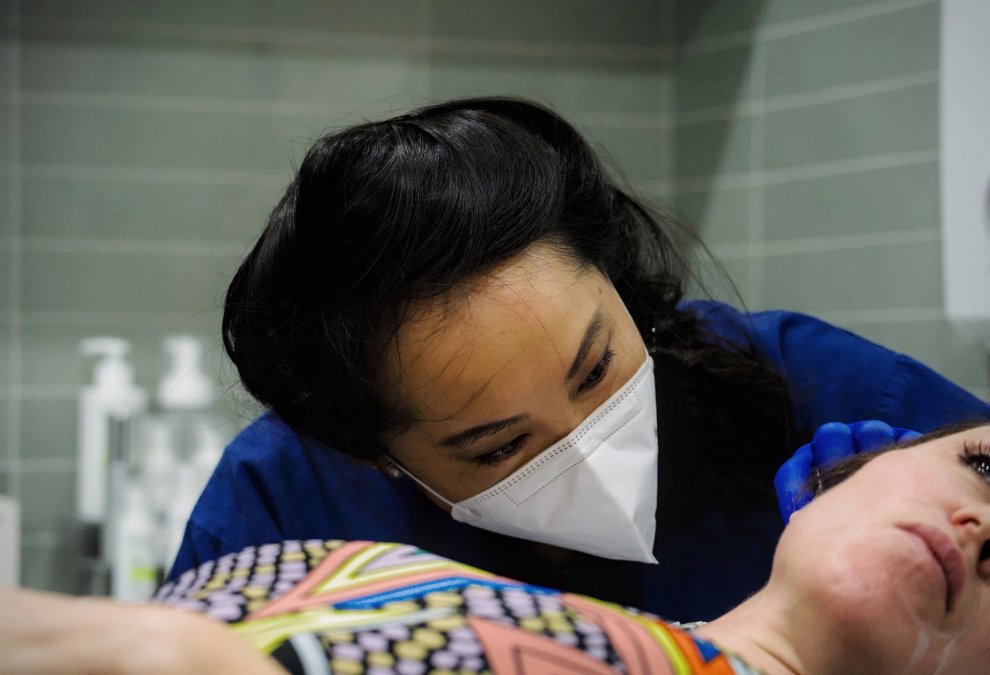
Ask these questions during your search:
What are your medical qualifications and aesthetic training? Look for doctors with recognised postgraduate qualifications, not short certification courses.
Who performs the treatments? Some clinics employ non-medical staff for laser and injection procedures. Confirm a doctor is involved in your assessment and treatment.
How do you handle complications? A medically qualified provider can manage adverse events on site rather than referring you elsewhere.
What is your philosophy on natural results? The response should describe restraint and individualised planning, not a one-size-fits-all menu.
Medical Skin and Laser is a privately owned clinic led by medically trained doctors, which means your assessment, treatment plan, and procedures stay within a medical framework. This structure supports the collaborative decision-making that produces natural looking cosmetic skin treatments, because your doctor understands both your health history and your aesthetic objectives.
Watch Out Be cautious of providers who recommend extensive treatment during the first consultation without a thorough assessment. Comprehensive care begins with understanding your skin, your health, and your goals. A rushed recommendation often reflects commercial priorities rather than clinical judgment.
What to Expect from Your First Comprehensive Consultation
A comprehensive consultation differs from a standard cosmetic appointment. Expect to spend time discussing your medical history, current medications, lifestyle factors, and previous skin treatments before any aesthetic conversation begins.
The consultation typically follows this structure:
Medical history review: current health conditions, medications, allergies, and skin cancer history
Skin assessment: examination of your skin, often including dermoscopy where indicated
Goal discussion: what you want to achieve, phrased in realistic terms
Treatment options: recommendations tailored to your skin type, health status, and desired outcomes
Informed consent: clear explanation of risks, benefits, recovery, and expected results
This is also your opportunity to ask questions about technologies you do not understand. If a practitioner recommends hybrid laser resurfacing, they should explain what it does, why it suits your skin, and what recovery involves. You should never feel pressured into a procedure you do not fully understand.
Bring a list of your current skincare products and any previous treatment history. This information helps your doctor identify what is working, what is not, and what might be contributing to ongoing concerns.
Maintaining Your Results: A Long-Term Approach
Natural aesthetic results are not a destination; they are an ongoing process of protection and maintenance. The treatment that delivers your initial improvement matters less than the habits that preserve it.
A long-term maintenance plan typically includes:
Element | Purpose | Typical Frequency |
Sun protection | Prevents further pigmentation and collagen breakdown | Daily |
Medical-grade skincare | Supports skin barrier and addresses specific concerns | Twice daily |
Periodic review | Monitors skin health and adjusts treatment plan | Every 6-12 months |
Maintenance procedures | Sustains results without over-treatment | As individually indicated |
Sun protection deserves particular emphasis. The Australian Radiation Protection and Nuclear Safety Agency's UV index guidance highlights how intense local ultraviolet conditions can be, making daily protection non-negotiable for anyone seeking lasting results.
Regular skin cancer checks should continue alongside aesthetic maintenance. This dual approach ensures that your skin remains healthy as well as aesthetically pleasing, which is the defining characteristic of comprehensive care.
Pro Tip Track your skin with annual photographs. Comparing images over time reveals subtle changes that daily observation misses, helping you and your doctor identify both improvement and potential concerns early.
The search for the best comprehensive care for skin and body health for natural aesthetic results ultimately comes down to finding a provider who sees you as a whole person. Medical Skin and Laser offers integrated, medically-led care that connects health priorities with aesthetic goals, supported by advanced laser technology and personalised treatment plans. Contact our team to begin with a consultation that prioritises your long-term wellbeing.
Frequently Asked Questions
What is the difference between cosmetic dermatology and comprehensive skin care?
Cosmetic dermatology focuses on appearance alone, whilst comprehensive skin care integrates health assessment, disease prevention, and aesthetic goals. A medically-led approach evaluates your overall skin health, underlying conditions like hormonal changes or sun damage, and designs treatments that address root causes rather than symptoms only. This prevents complications and delivers results that look natural because they're built on a foundation of genuine skin health.
Why is medically supervised skin care important for cosmetic procedures?
Medical supervision ensures proper assessment of your skin type, sensitivities, and contraindications before treatment. Medically trained doctors can adjust laser settings, product strengths, and treatment intervals based on your individual healing response and health history. This reduces risk of adverse reactions, infection, or unnatural-looking results. Supervision also means someone qualified can manage complications if they arise and modify your plan if your skin responds differently than expected.
How do I know if a doctor is properly qualified to perform laser and aesthetic treatments?
Look for formal medical qualifications (MBBS or equivalent), registration with the relevant professional body, and specific postgraduate training in skin cancer surgery, dermoscopy, or aesthetic medicine. Ask about their credentials directly and verify them independently. Experienced doctors will discuss their training openly and explain their approach to safety and natural results. Red flags include vague credentials, reluctance to discuss complications, or pressure to proceed without a thorough consultation.
Can comprehensive skin care help with hormonal skin changes from menopause?
Yes. Hormonal changes affect skin elasticity, hydration, pigmentation, and acne patterns. A medically-led approach assesses whether your skin concerns are hormonal and coordinates care with your overall health. Medical-grade treatments address visible changes whilst your doctor considers whether general health factors need attention. This integrated approach often delivers better results than treating skin symptoms in isolation, as it accounts for the underlying physiological shifts driving the changes.
CONTACT


Comments